Have you ever wondered how electric cars and garages actually go together? Can an EV be parked and charged in a garage? Are there any risks involved? And does the garage need to be specially modified for electric vehicles, or is it really no different from parking a conventional car?
As more drivers switch to electric, charging an electric car in a garage — whether at home, at work, or in a shared underground car park — is becoming an everyday question. Here’s what you need to know about the rules, the real risks, and how to charge safely.
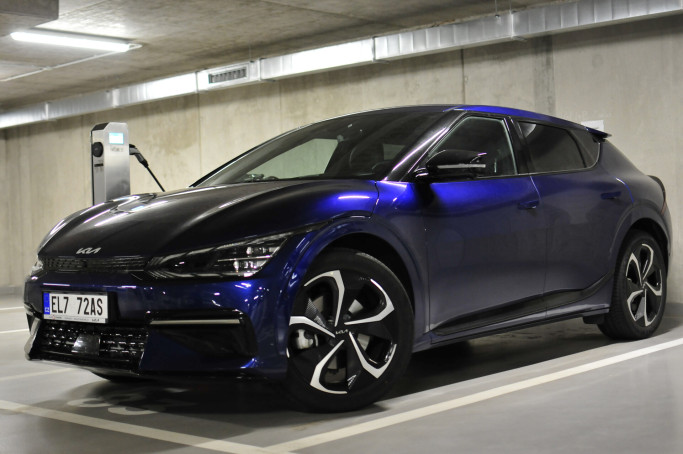
EU Rules on EV Charging in Garages and Car Parks
The European Union is actively pushing the electrification of transport. One of its goals is to ensure that commercial garages provide at least one EV charger for every five parking spaces, and that residential buildings with parking for more than 10 cars offer a charging point at every space.
In reality, we are still nowhere near these numbers. But you’ve almost certainly seen electric vehicles or charging stations in underground garages already — and that’s exactly why the question of charging safety crosses so many people’s minds.
Is It Safe to Charge an Electric Car in a Garage? The Risks Explained
Parking and charging electric vehicles in a garage is generally safe. The risk only increases in two specific situations: charging with a faulty charger, or mechanical damage to the battery. It’s also true that if an EV battery does catch fire, the fire is more difficult to extinguish.
That said, it’s worth keeping the full picture in mind. Fires are actually less common in electric cars than in combustion-engine vehicles. On top of that, when a petrol or diesel car catches fire, leaking fuel often spreads the flames to other areas. EV fires, by contrast, tend to stay more localized.
The overall risk is very low for both types of car. As a result, opinion is split. One camp is convinced that current garage standards are sufficient and that parking and charging EVs adds no meaningful risk. The other camp wants shared garages upgraded to account for the greater difficulty of extinguishing a potential battery fire.
Proposed Fire-Safety Legislation for Garages
In April 2022, a draft decree was put forward to set new safety standards for garages. The proposed measures included:
- Building materials that resist fire for more than 90 minutes.
- Fire-suppression systems with a permanent water supply.
- Thermal cameras pointed at every charging point.
- Wider parking spaces.
- Easier access for firefighting equipment.
- Partial fire-resistant partitions.
- Automatic ventilation systems and automatic sprinklers.
- A water tank for submerging a burning vehicle.
Whether these measures are excessive or essential is still being debated. Given how unlikely a fire actually is, some argue these could be extremely costly requirements that don’t match the real level of risk.
Charging Electric Cars at Home and at Work
When it comes to charging an electric vehicle at home or at your own business, how much you prepare comes down to how concerned you are about a potential fire. The general consensus, however, is that the risk is negligible — and that the same approach you’d take for a combustion-engine car parked in the garage is enough.
If you’d like extra peace of mind, these steps go a long way:
- Buy a proper charging station (wallbox) with adequate overheating protection that automatically interrupts charging if the unit starts to overheat.
- Have a professional check your existing wiring and install the charging station for you.
- Make sure the garage door can be opened in the event of a fire so firefighters have easy access. (Ideally, connect this to a smart-home system so the door opens automatically if a fire detector is triggered.)
Frequently Asked Questions
Is it safe to charge an electric car in a garage? Yes. Charging an EV in a garage is generally safe. The main risks come from using a faulty charger or charging a battery that has been mechanically damaged — both of which are largely avoidable with a quality wallbox and a professional installation.
Do electric cars catch fire more often than petrol cars? No. EV fires are statistically less common than fires in combustion-engine vehicles, and they tend to remain more localized rather than spreading through leaking fuel.
Do I need to modify my garage for an electric car? For home use, usually not. A correctly installed wallbox with overheating protection, sound wiring, and a way to open the garage door in an emergency is typically enough.
What’s the safest way to charge an EV at home? Install a dedicated wallbox with built-in overheating protection, have a qualified electrician check your wiring and complete the installation, and consider linking your garage door to a smart-home fire detector.
Looking to charge your electric vehicle safely at home? Browse our range of wallboxes and EV charging stations with built-in safety protection — and charge with confidence.